

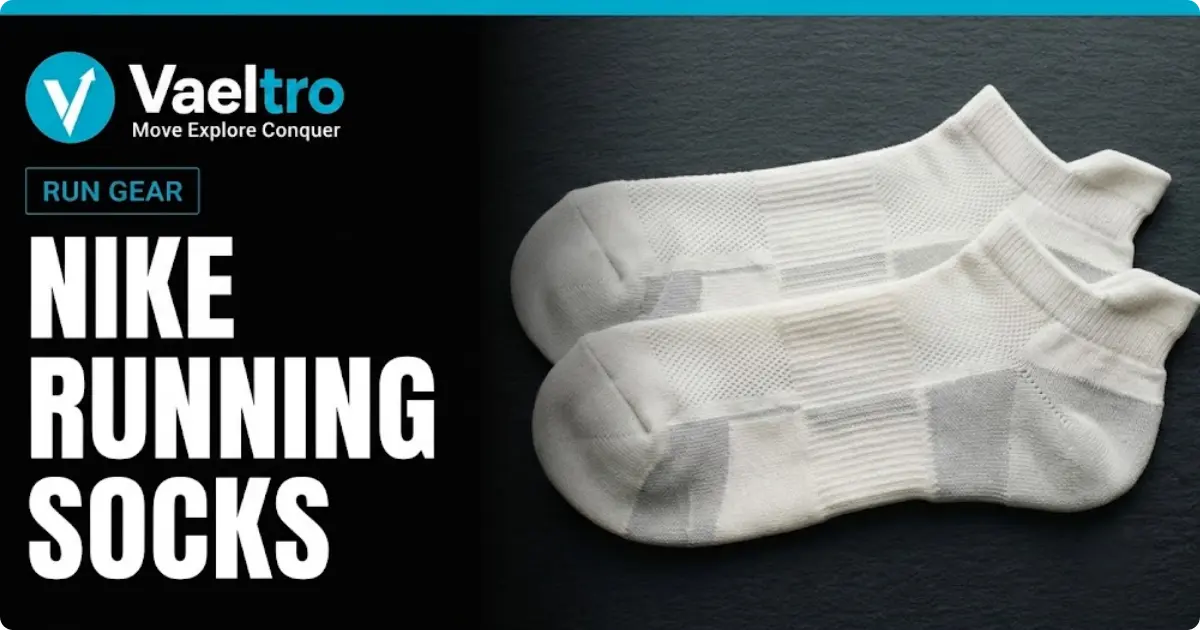
Most runners spend serious money on shoes and barely think about socks. That’s a mistake. The wrong pair can cause blisters mid-race, overheat your feet on a long run, or bunch up inside a tight toebox before you’ve even hit mile two.
Nike makes a surprisingly wide range of running socks, and they don’t all perform the same way. Some are built for race day. Others are better saved for easy recovery miles or cold-weather training. If you’ve ever grabbed a pair off the rack without knowing which model you’re actually buying, this guide will help you fix that.
We’ve broken down every Nike running sock worth knowing about what each one does well, where it falls short, and exactly which type of runner it suits.
Quick Answer
The Nike Spark Lightweight is the standout performer for most runners. It’s the thinnest option in the lineup, stays put through long efforts, and pairs exceptionally well with Nike’s racing flat range. If you want cushioning for easy days, the Spark Cushioned is the natural complement.
Why Nike Running Socks Are Worth Your Attention
Nike’s sock technology doesn’t get nearly as much coverage as its shoes, but the design principles are the same: targeted cushioning zones, moisture-wicking fabric blends, and a snug anatomical fit that reduces interior movement.
The Dri-FIT fabric that runs through most of Nike’s performance sock range pulls moisture away from the skin more efficiently than cotton or basic polyester blends. On hot days or long runs, that difference shows up quickly.
Nike also offers more cut variety than most runners realize no-show, ankle, micro crew, and full crew options exist across multiple weight categories. That range makes it possible to match the right sock to the right shoe and run type, rather than defaulting to one all-purpose pair.
Understanding the Nike Running Sock Lineup
Nike organizes its running socks primarily by cushioning weight: lightweight, midweight, and cushioned. Each weight is then available in different cuts.
The Spark name used to anchor the performance end of the lineup, covering both a lightweight and a cushioned version. More recently, Nike has expanded into simply named Lightweight and Midweight categories, keeping the architecture straightforward. The Multiplier sits as a budget-accessible entry point. The ACG range caters to trail and outdoor use.
Understanding this structure before buying saves a lot of confusion, because the names alone Spark, Multiplier, Lightweight don’t always signal what you’re getting.
Nike Spark Lightweight Socks
The Spark Lightweight is the most talked-about sock in Nike’s lineup, and for good reason. It’s designed to give you almost nothing in the best possible way.
Who They’re For
Runners who prioritize a barely-there feel, especially those training in lightweight trainers or racing flats with a snug toebox. Also ideal for anyone who runs warm and finds thicker socks intolerable past the first few miles.
Performance on the Run
The fabric alternates between meshy ventilation zones and a tighter knit, which keeps airflow moving without sacrificing structure. The fit is genuinely snug not compression-level tight, but secure enough that the sock doesn’t shift inside the shoe.
Moisture management is where this sock earns its place on race day. Even during harder, sweatier efforts, the Dri-FIT construction moves moisture quickly. Feet stay noticeably drier compared to a standard everyday sock.
The one honest trade-off is cushioning. There is very little of it. Runners who need extra padding underfoot especially on long road miles may find the Spark Lightweight leaves them wanting more protection. It can also feel slightly stiff at first out of the packaging, though this softens after a wash or two.
Best Pairings
Nike Vaporfly, Alphafly, Streakfly, and any similarly snug racing flat. Also works well in lightweight daily trainers where a thicker sock would compromise the fit.
Nike Spark Cushioned Socks
Where the Lightweight version takes everything down to the minimum, the Spark Cushioned adds meaningful padding without crossing into the heavy, heat-trapping territory of a trail or hiking sock.
Who They’re For
Runners who want more underfoot comfort on easy days, recovery runs, or longer slower miles. Also a good option for colder months when a slightly warmer sock works in your favor.
Performance on the Run
The additional cushioning is most noticeable under the heel and forefoot, which is where most runners need it. The heel fit is slightly better than the Multiplier it sits more flush against the foot and doesn’t slip down during movement.
The honest downside is warmth. The extra material traps more heat than the Lightweight version, making the Spark Cushioned a poor choice for hot-weather running or high-intensity efforts where your core temperature will already be elevated.
Best Pairings
Daily trainers and trail shoes with wider toeboxes. Shoes like the Nike Pegasus or Structure, where there’s enough room to accommodate a slightly thicker sock without squeezing the foot.
Nike Multiplier Running Socks
The Multiplier is Nike’s most accessible running sock widely available, often sold in multipacks, and priced accordingly. It’s a workhorse, not a race day tool.
Who They’re For
Runners looking for a reliable everyday training sock at a lower per-pair cost. Commuter runs, gym treadmill sessions, and easy jogs where performance detail matters less than comfort and durability.
Performance on the Run
The Multiplier is noticeably thicker than the Spark Lightweight, which makes it better suited to shoes with extra room in the toebox. In snugger-fitting shoes, the added bulk can make things feel cramped, which affects comfort over longer distances.
The cushioning is more evenly distributed across the foot compared to the targeted zones on the Spark range. That’s comfortable for low-effort miles but doesn’t offer the race-oriented fit precision of the Spark family. The Multiplier also tends to run slightly warmer, which limits its usefulness in summer training.
Best Pairings
Trail shoes, road shoes with a relaxed toebox fit, and any shoe where you prefer a more cushioned feel underfoot. Works well for uphill and downhill running where extra support around the foot is welcome.
Nike Lightweight Running Socks (No-Show and Crew)
Nike’s simply named Lightweight Running Socks represent a recent update to the performance-oriented end of the lineup. Available in no-show and crew cuts, they sit in the same weight category as the Spark Lightweight but with a slightly updated construction.
Who They’re For
Runners who want performance-level thinness but prefer a crew cut that offers more ankle coverage. Also a good option for runners who train year-round and need cut variety without switching sock weight.
Performance on the Run
The no-show version competes directly with the Spark Lightweight in terms of barefoot-like feel and moisture management. The micro crew and full crew versions extend that same lightweight performance up the ankle, which some runners prefer for added protection against road debris and cold air.
The fabric sits closer to the Spark Lightweight in feel than it does to the Midweight range if you’re deciding between the two, the fit inside your shoe and your preferred cut should be the deciding factors rather than any major performance difference.
Nike Midweight Running Socks (No-Show and Crew)
The Midweight range fills the gap between the barely-there Lightweight and the more cushioned Spark Cushioned or Multiplier. It’s a sensible middle ground for runners who want some cushioning without sacrificing too much breathability.
Who They’re For
All-around runners who do a mix of training paces and distances and want one sock that handles most situations reasonably well. Also useful for runners who find the Lightweight too thin but the Cushioned or Multiplier too warm.
Performance on the Run
The Midweight offers more underfoot feel than the Lightweight without generating as much heat as the Cushioned options. It’s not a specialist sock it won’t be the best choice for a 5K race or a summer tempo run but it handles a range of conditions reliably. Available in both no-show and crew options, with prices around $15.95 and $19.95 depending on the cut.
Nike ACG Everyday Socks
The ACG socks fall outside the pure running performance category and sit closer to trail and outdoor use. Priced at around $25.95, they’re the most expensive option in Nike’s running-adjacent sock range.
Who They’re For
Trail runners, hikers, and outdoor runners who want a more durable, protective sock that handles varied terrain and weather. Not designed for road running or racing.
Performance on the Run
The ACG construction is heavier and more protective than any of the road-running options above. That durability comes with extra warmth, which makes these a poor fit for fast road efforts. On the trail, especially in colder or wetter conditions, that extra protection makes sense.
If your running is mostly on roads, the ACG socks are worth skipping entirely. They’re a specialized product for a specific use case, and that’s exactly how they should be treated.
How to Choose the Right Nike Running Sock
The easiest mistake to make is buying Nike running socks without thinking through the specific combination of shoe, run type, and temperature. Here’s a simple way to approach it.
Match Sock Weight to Run Type
Race day and speed work call for the thinnest sock possible Spark Lightweight or the Lightweight No-Show. These minimize bulk and heat buildup when performance is the priority.
Easy runs, recovery miles, and long slow distance are better served by the Spark Cushioned or Midweight range, where the extra padding absorbs more repetitive impact without needing to be fast-draining.
Cold-weather training or trail running opens the door to the Multiplier or ACG options, where warmth and protection become more valuable than weight savings.
Match Sock Thickness to Your Shoe
This is the detail most buyers overlook. A thicker sock in a snug toebox forces your foot forward, increases pressure on the toes, and can change how the shoe’s cushioning actually feels underfoot. Nike’s performance racing shoes Vaporfly, Alphafly, Streakfly are designed with a close fit, and the Spark Lightweight or Lightweight No-Show is the natural partner.
Shoes like the Pegasus, Invincible, or Structure have more room, which gives you the flexibility to run a Midweight or even a Spark Cushioned without the fit being compromised.
No-Show vs. Ankle vs. Crew
The cut decision is mostly personal and seasonal. No-show keeps the sock invisible in the shoe and works for most road running conditions. Ankle and micro crew options add coverage without significant weight. A full crew sock is best reserved for trail running or cold-weather road sessions where you want protection up the lower leg.
Nike Running Socks vs. Incylence: Is There a Better Option?
Incylence has built a strong reputation in the performance running sock space, particularly among runners who pay attention to every gram on race day. Their socks use an ultrafine fiber construction that produces a noticeably smooth feel against the skin.
Where Incylence pulls ahead of Nike’s Spark Lightweight is in fabric feel and long-distance comfort particularly in longer races where even minor irritation compounds over miles. The ultrafine construction reduces friction points more effectively than the Spark Lightweight’s ventilation-stripe design.
Where Nike holds its ground is value, availability, and lineup depth. Incylence socks are more expensive, harder to find in physical stores, and come in fewer cut options. For most runners, the Spark Lightweight delivers race-ready performance at a price that makes it easier to rotate multiple pairs which matters for foot health and sock longevity.
If you’re a high-mileage runner who races frequently and wants the absolute best in long-distance sock comfort, Incylence is worth exploring. If you want reliable, well-priced performance across a full lineup, Nike’s Spark range gives you more flexibility.
Final Verdict
For most runners, the Nike Spark Lightweight is the one to start with. It handles speed work, long runs, and race day better than anything else in the lineup, and it pairs naturally with Nike’s performance shoe range. The Spark Cushioned earns its place as a complement for easy and recovery days, not a replacement.
The Multiplier and Midweight options are solid everyday training choices for runners who want cushioning and aren’t chasing race-day performance. The ACG socks are trail-specific and shouldn’t be the default.
The wider takeaway is that no single Nike sock does everything well. The lineup is genuinely differentiated by weight, use case, and cut which means the best setup for most serious runners is two or three pairs across different models, matched to specific types of sessions. Once you make that match, socks stop being an afterthought and start actually improving how your runs feel.
